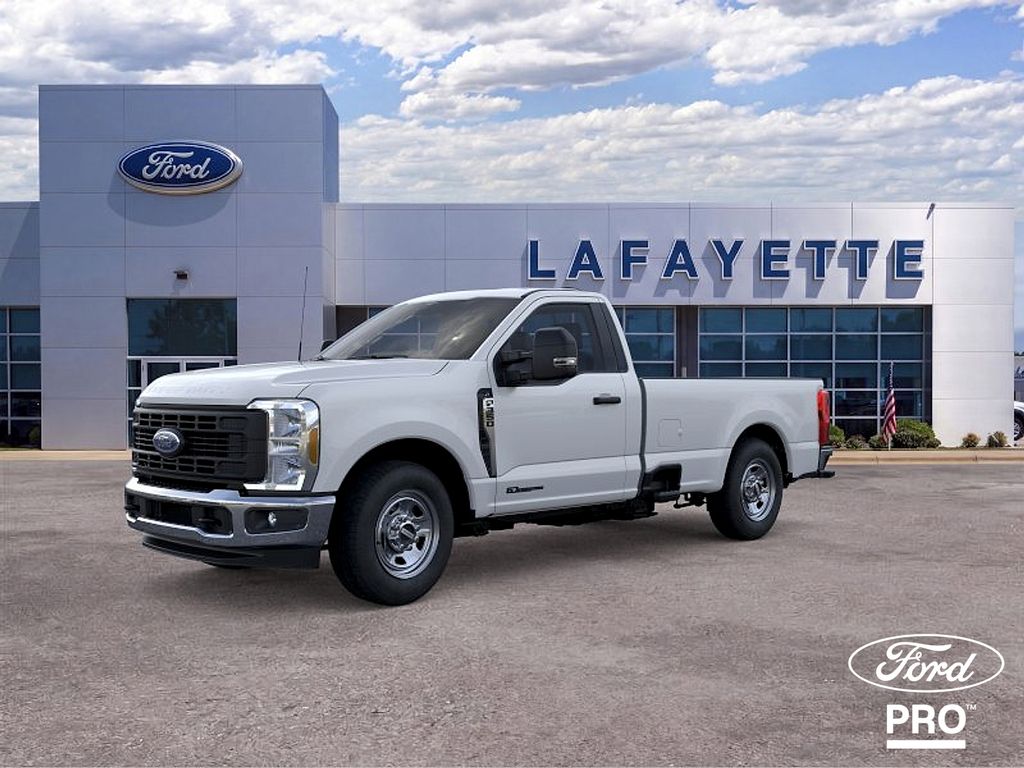
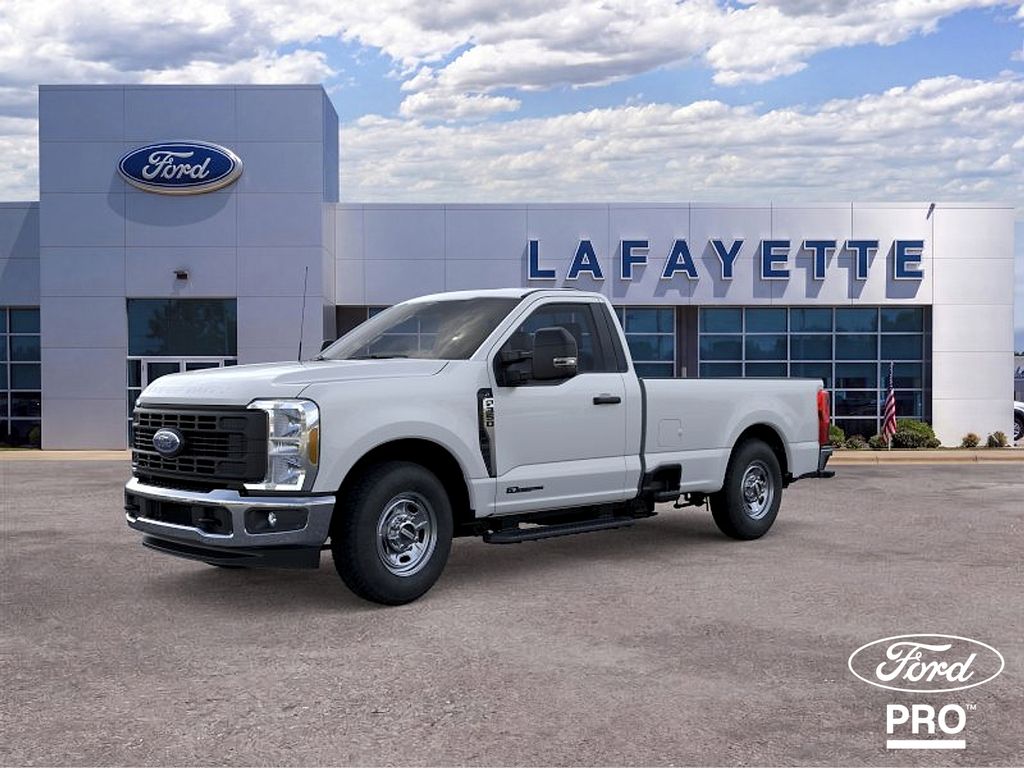
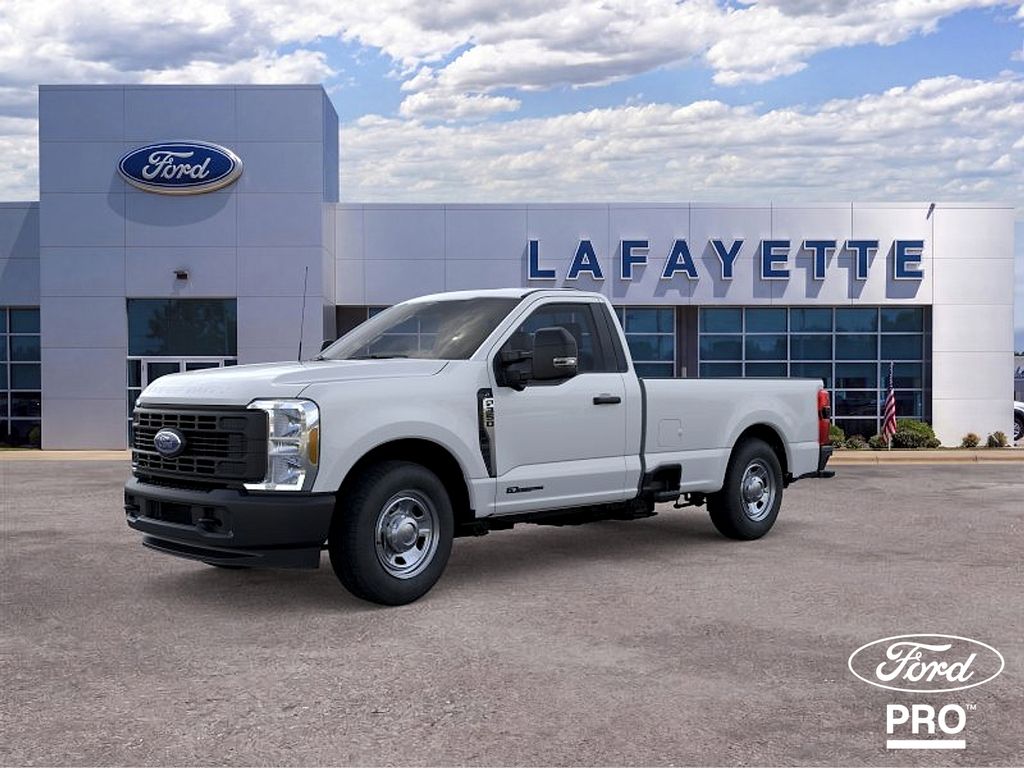
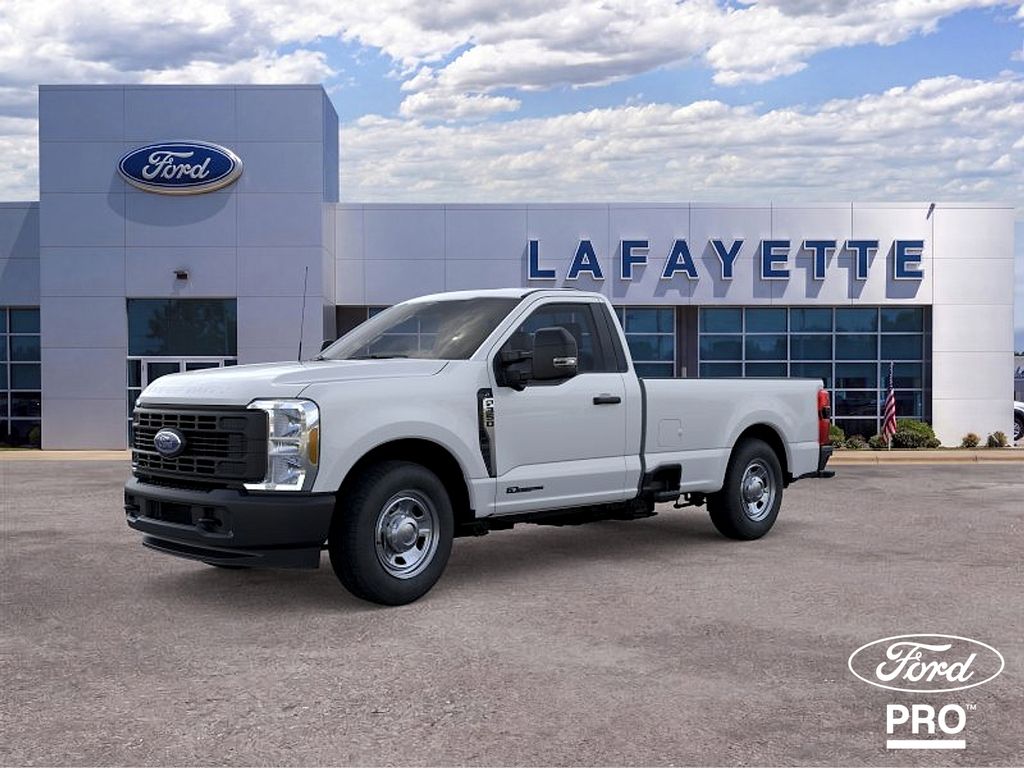
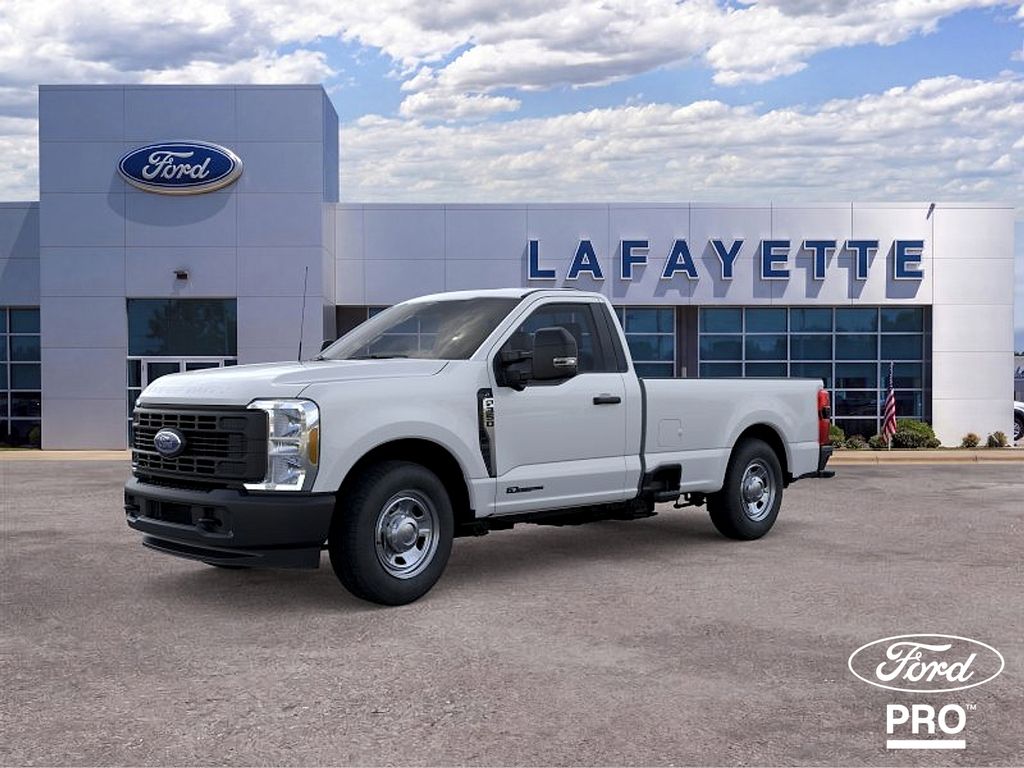
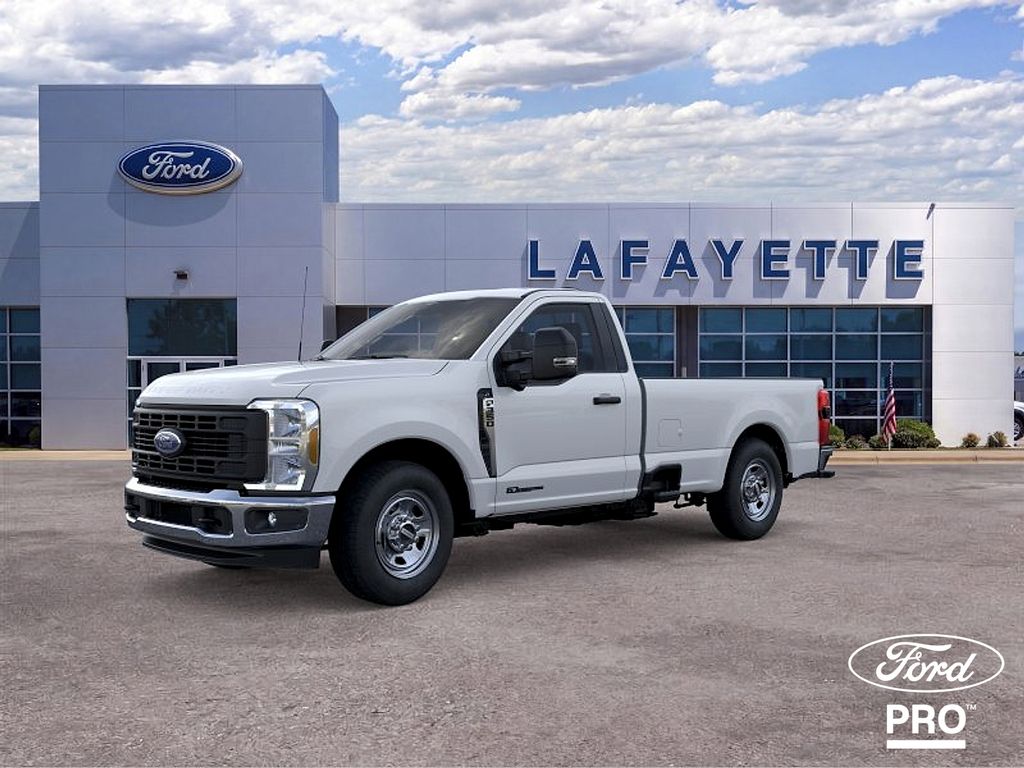
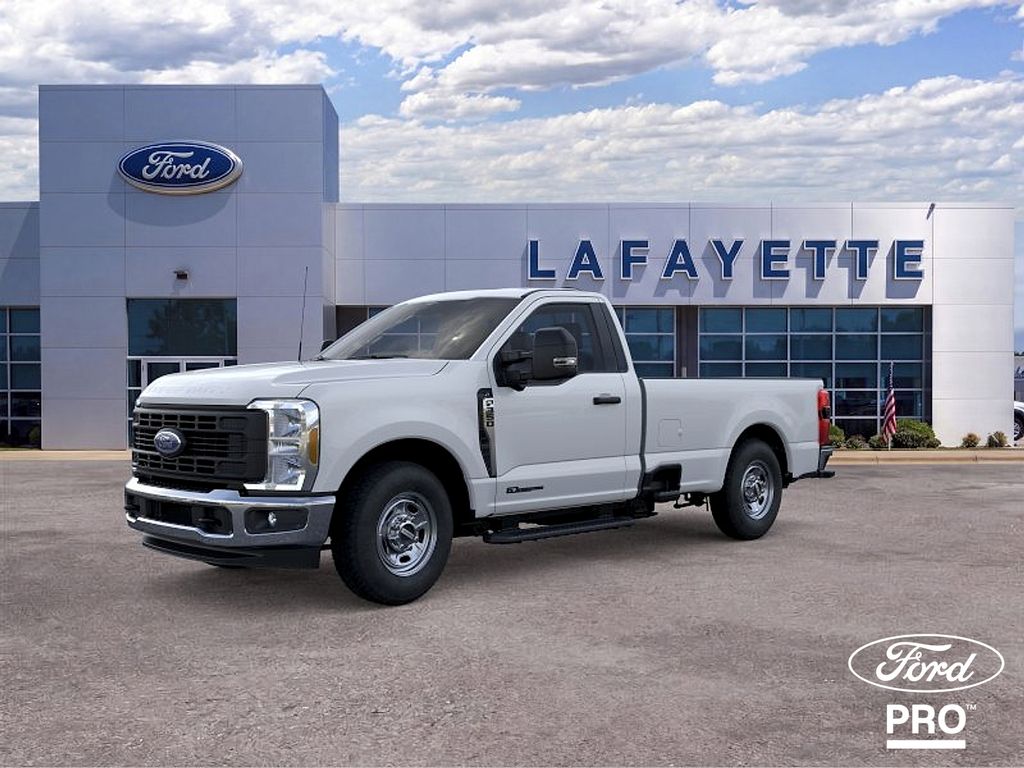
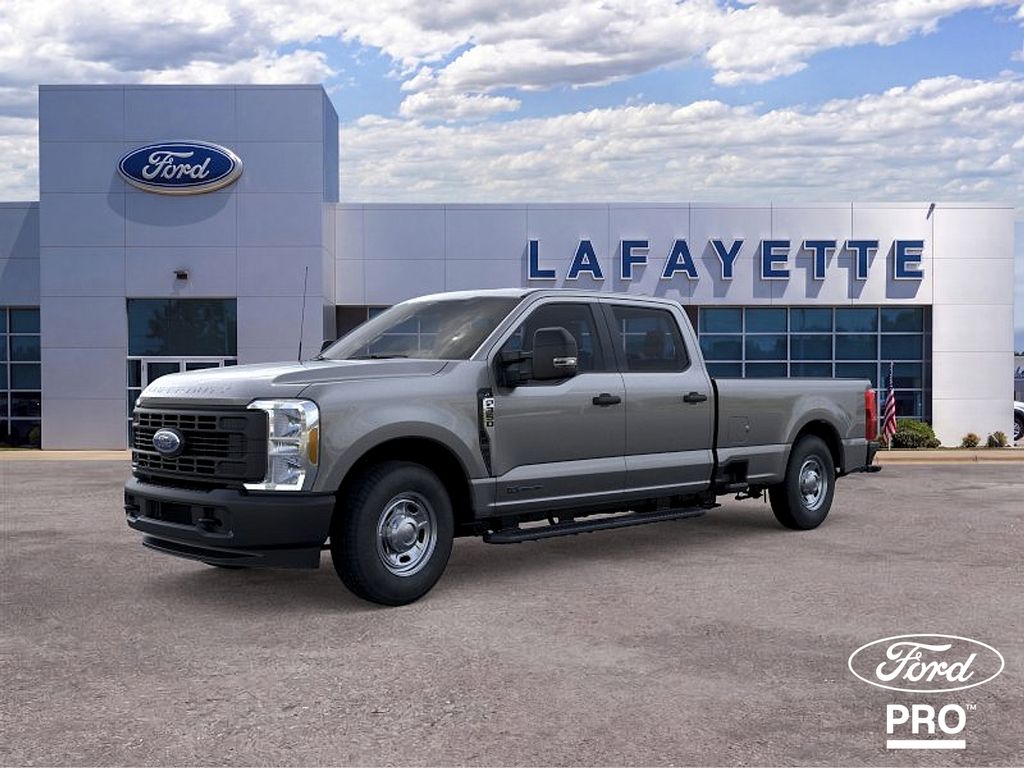
New Ford F-350 SD for Sale in Fayetteville, NC



Frequently Asked Questions about New Ford F-350 SD Fayetteville, NC
Am I better off with an F-350 or an F-250?
It generally comes down to how heavy your loads run and how often you carry them. Buyers towing heavy several times a week, or sitting near the limits of a three quarter ton, are usually better served stepping up. Describe your load and frequency and you will get a direct answer.
Can an F-350 be used as a daily driver?
Many owners do drive them daily, though the size and ride are firmer than a lighter truck. If most of your driving is unloaded commuting, a smaller truck may suit you better. If the trailer is attached most days, the F-350 makes far more sense.
Why are heavy trucks usually ordered rather than bought from stock?
The number of possible configurations is large enough that no dealership can stock them all. Buyers at this tier typically need a specific combination for their work. We keep a range available and order when nothing on the ground matches.
Should I plan upfit work before or after buying?
Raise it before, because factory provisions are usually cheaper and cleaner than modifications afterward. Certain options have to be selected at order time and cannot be added later. Mention your plans and LaFayette Ford can flag what needs deciding early.
Does your service department handle heavy Super Duty work?
Yes, our shop is equipped and staffed for trucks in this weight class and sees them regularly. That familiarity speeds up diagnosis when something goes wrong. We also try to schedule working trucks in a way that limits time off the job.
Have Additional Questions?
Capability only means something once it is measured against your actual trailer.
Send us what you pull and how the hitch mounts, and the specification conversation gets much shorter.
The commercial side of LaFayette Ford handles heavy truck questions from Fayetteville businesses regularly.
The Point Where a Half Ton Stops Keeping Up
Most F-350 buyers arrive because something finally proved the point. A trailer that squatted the rear of their old truck, a load that made the brakes work harder than they liked, a long grade that turned into an event. The truck was not unsafe, it was simply being asked to do a job above its designed tier.
The one ton Super Duty exists for that gap. It is built around carrying and pulling heavy loads as a normal condition rather than an occasional stretch. Owners who move up describe the difference as the trailer stopping being the loudest thing in the day.
- A frame and suspension sized for constant heavy work
- Braking that stays composed under a real load
- Cooling built for sustained pulling, not brief efforts
We will not put capability figures on this page, because the honest answer depends entirely on how a given truck is configured. Cab, bed, axle and equipment choices all move the number. The door sticker on the specific unit is the only source worth trusting.
If you are wondering whether you have outgrown your current truck, describe the heaviest thing you pull and how often. That question is answerable in one conversation. LaFayette Ford has it with customers most weeks.
Trading Up a Tier Rather Than Sideways
Moving from a half ton to a one ton is usually a trade, not a second vehicle. The old truck did years of honest work and still carries value, particularly if it was maintained. Trucks in this region hold their worth better than a lot of people expect.
There is also a timing question worth thinking about. Trading before a major service interval comes due can be worth real money, because that cost passes to the next owner instead of landing on you. A truck sitting just short of an expensive interval is often better traded than kept.
- Appraisal that accounts for legitimate work wear
- Timing that works in your favor rather than against it
- Aftermarket equipment valued honestly, both ways
Aftermarket additions are worth raising during the appraisal too. A well fitted toolbox or a quality hitch setup can add value, while heavily personalized modifications sometimes do the opposite. We will tell you honestly which category yours falls into.
You will get a written figure regardless of what you decide to do next. Take it and shop it if you like. That is a reasonable thing to do with a truck this valuable.
F-350s Get Ordered More Than They Get Bought Off a Lot
Heavy trucks are specified rather than browsed. Cab configuration, bed length, axle ratio, tow equipment and upfit provisions vary enormously, and the combination that suits your work is often not sitting on a lot anywhere. That is normal at this tier rather than a failure of stock.
We keep a range on the ground for buyers who need something now, and plenty of customers find a match there. When nothing fits, a factory order gets exactly the truck you described. The tradeoff is time, and we will be realistic about how much.
- Configurations that differ far more than the badge suggests
- Factory ordering for a specification that has to be exact
- Current inventory checked against your real requirements
If your timeline is short, tell us that early and we will work the problem differently. Sometimes an in stock truck close to your specification is the right call. Sometimes waiting is genuinely worth it, and you deserve that assessment rather than a sale.
Being precise about the work gets you a precise recommendation. Vague requirements produce vague trucks. LaFayette Ford would rather ask you five questions than guess once.
What We Need to Know Before Recommending One
A useful F-350 conversation starts with the load rather than the truck. What you pull, how it attaches, how heavy it runs loaded, and how many days a week it happens. Those four answers narrow the specification more than any amount of brochure reading.
Hitch type matters a great deal at this tier and it changes which bed and equipment make sense. A truck set up for a conventional hitch is not automatically ready for something mounted in the bed. Sorting that before purchase avoids an expensive correction afterward.
- Hitch type settled before the truck is chosen
- Frequency of heavy use factored into the specification
- Upfit plans discussed while options are still open
If a body, toolbox or other equipment is going on afterward, mention it now. Provisions made at the factory are cheaper and cleaner than modifications later. Our commercial side deals with this regularly and can flag what you will need.
Come in with the details of the work and you will leave with a specification that fits it. That is a better outcome than a truck that nearly works. LaFayette Ford sells these to people who use them hard.
Heavy Trucks Need a Shop That Sees Them Daily
Servicing a one ton truck is not the same as servicing a family SUV, and not every shop is equipped for it. Lifts, tooling and technician experience all matter once the vehicle gets this heavy. Our service department works on Super Duty trucks constantly rather than occasionally.
That matters most when something is wrong rather than during routine work. Diagnosing a problem on a truck the technician sees weekly goes faster than on one they rarely encounter. Faster diagnosis means fewer days without the vehicle you work from.
- Technicians who see Super Duty trucks every week
- Equipment rated for the weight of the vehicle
- Scheduling that accounts for a working truck
We try to schedule heavy trucks around the work rather than the other way around. Early appointments and honest time estimates make a real difference to someone whose income depends on the vehicle. Tell us your constraints and we will do what we can.
The shop matters as much as the truck once you own one of these. Pick the dealership on that basis, not only on the sale. It is the part you live with for years.
Describe the heaviest thing you pull and how often you pull it. That is usually enough for us to tell you which tier you belong in. The conversation is free and it rarely takes more than ten minutes.