New Ford F-450 SD for Sale in Fayetteville, NC


Frequently Asked Questions about New Ford F-450 SD Fayetteville, NC
When does an F-450 make more sense than an F-350?
Generally when your loads consistently push a one ton truck toward its limits, or when the work demands more margin than you currently have. Frequency matters as much as peak weight. Describe a typical heavy week and we can give you a straight recommendation.
Do I need a special license to drive an F-450?
For most configurations and typical use, a standard license is sufficient, but requirements depend on the finished vehicle's weight rating and how you use it. Combinations involving heavy trailers can change the answer. Check your specific situation against current North Carolina requirements before you buy.
Can I have a flatbed or service body fitted?
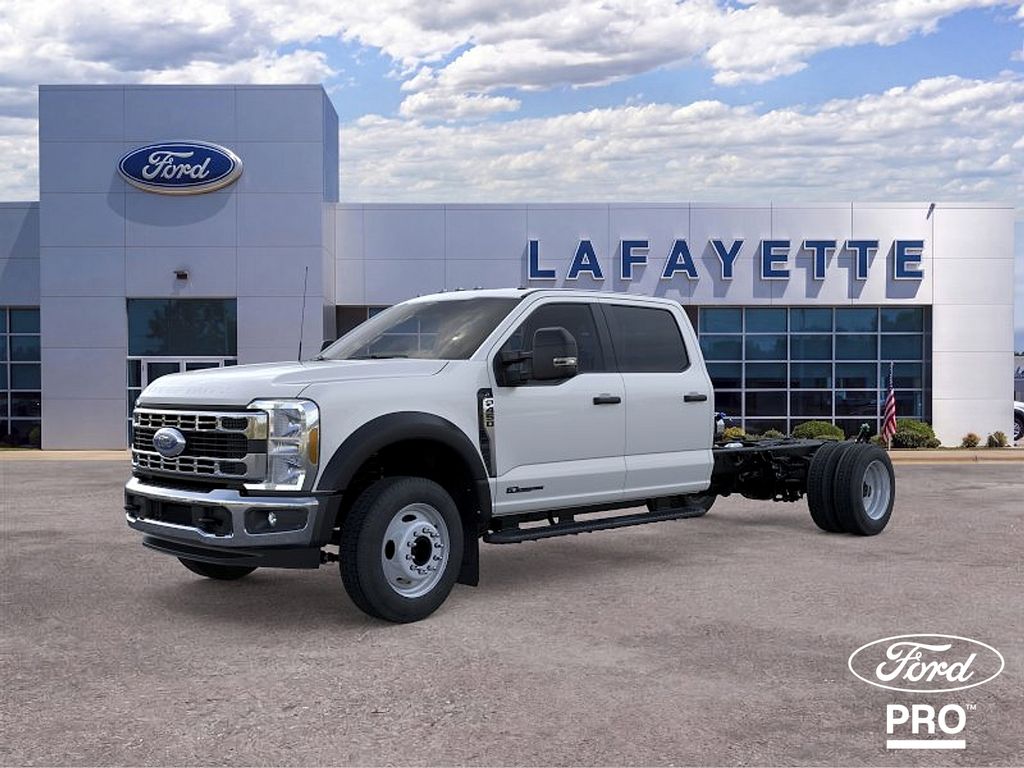
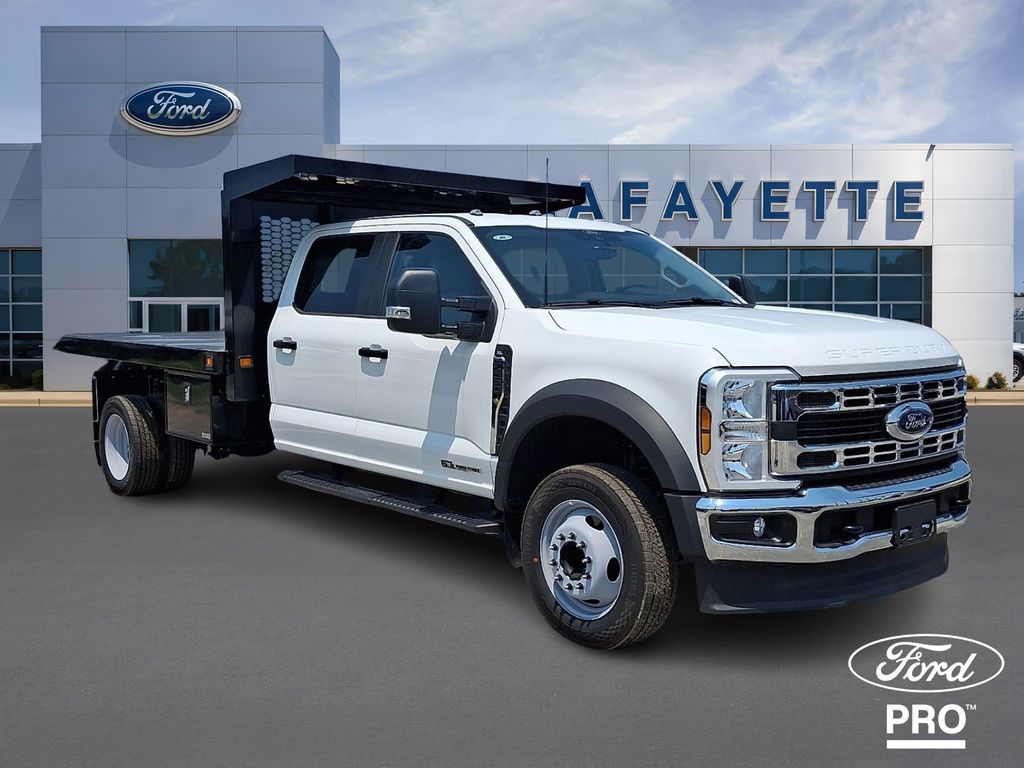
Yes, and chassis cab configurations exist precisely for that purpose. The wheelbase and provisions need to be chosen with the body in mind, so decide early. We will coordinate with your body builder so the foundation matches what they are building.
How does commercial financing differ from a personal purchase?
Lenders assess the business rather than only the individual, and they ask for more supporting material as a result. There are also structures available that retail lending simply does not offer. Talk to your accountant alongside us, since the right choice often depends on how you handle equipment.
How long does an F-450 order usually take?
Upfit time is usually the larger share of the total, so your body builder's queue often matters more than the chassis wait. We give current realistic ranges rather than optimistic ones. Get both timelines before you plan around a delivery date.
Have Additional Questions?
Chassis cab planning goes quickest when we can see what the body actually needs.
Send over what you haul and what body you plan to fit, and our commercial team can advise properly.
LaFayette Ford gives commercial customers a direct contact rather than a general phone queue.
The Last Step Before You Are Buying a Medium Duty Truck
The F-450 sits at the ceiling of the pickup range, and buyers arrive here for reasons that are rarely casual. The loads have outgrown a one ton, or the work now demands something with more margin than the previous truck had. It is the point where a pickup starts behaving like commercial equipment.
Beyond this tier you are into medium duty trucks, which bring different licensing considerations and a different ownership experience. The F-450 keeps most of what makes a pickup convenient while adding serious capability. That combination is exactly why it exists.
- Capability above what a one ton comfortably handles
- Pickup convenience retained at a heavier tier
- A step short of medium duty licensing territory
Capability specifics depend entirely on how a given truck is built, so we work from the actual unit rather than a general figure. Cab, wheelbase, axle and equipment choices all move it. Bring your load details and we will look at real trucks together.
If you are unsure whether you need this tier or the one below, describe the heaviest week your truck has. That answer usually settles it. LaFayette Ford has that conversation with contractors and haulers regularly.
Most F-450s Leave Here Wearing Something Custom
A large share of these trucks never keep a standard bed. Flatbeds, service bodies, hauler beds and dump bodies are all common, depending on what the owner does for a living. That means the purchase usually involves a second company as well as us.
Chassis cab configurations exist specifically for this, giving a body builder a clean foundation to work from. Choosing the right wheelbase and provisions at order time is far cheaper than adapting afterward. Decisions made now save invoices later.
- Chassis cab configurations built for custom bodies
- Wheelbase chosen around the body going on
- Electrical and hydraulic provisions specified upfront
Tell us what body you have in mind and we will make sure the truck underneath supports it. Power provisions and frame arrangements need deciding before the order goes in. Involving your body builder in that conversation is always worth the phone call.
The finished truck is what you are actually buying, even though only part of it comes from us. We plan around that reality. Our commercial team does this work most weeks.
Financing a Truck That Pays for Itself
A vehicle that generates income is evaluated differently than one that does not. Lenders look at the business as much as the buyer, and the documentation involved is more substantial than a personal purchase. None of it is difficult once you know what is wanted.
Commercial financing paths exist specifically for trucks in this class, and the structures available differ from retail lending. Which suits you depends on how your business is set up and how you handle equipment. That is a conversation for your accountant as much as for us.
- Commercial lending structures explained plainly
- Documentation lists provided before you apply
- Options that account for upfit costs
Upfit costs are worth raising during the financing conversation rather than after it. The body can represent a substantial share of the finished vehicle's cost. Handling both together usually produces a cleaner arrangement than treating them separately.
Come in knowing what your business needs and we will handle the mechanics. Ask for the documentation list early so nothing stalls at the last minute. LaFayette Ford would rather over prepare you than have a deal wait on paperwork.
What Owner Operators Ask Us Before Signing
The questions that come up at this tier are consistently practical. How long until it arrives, what happens if the body builder is delayed, what the service arrangement looks like, and how quickly parts move. Nobody at this level asks about cup holders.
We answer those directly because vague answers cost you money. If a timeline is uncertain, you will hear that it is uncertain. Planning around an honest range beats planning around a confident guess that falls apart.
- Realistic timelines rather than optimistic ones
- Service arrangements agreed before you need them
- A named contact rather than a general line
Having a specific person to call matters more than most dealerships acknowledge. When your truck is your income, being routed through a general queue is genuinely costly. Our commercial customers get a direct contact for exactly that reason.
Ask the hard questions before you sign rather than discovering the answers later. Any dealership worth buying from will answer them. Hold us to that standard too.
Farm and Construction Work Across the Sandhills
The counties around Fayetteville support the kind of work this truck was built for. Agricultural operations, land clearing, grading contractors, equipment transport and the recovery work that follows a bad storm season. Those are demanding uses in demanding conditions.
Sandy ground, summer heat and long unpaved approaches all affect how a heavy truck holds up. Local operators tend to specify differently than someone working paved sites, particularly around cooling and protection. Experience in these conditions is worth having in the conversation.
- Specifications suited to soft ground and heat
- Equipment transport across rural approaches
- Storm recovery work that arrives without warning
Hurricane seasons put trucks like this to work moving debris, equipment and supplies. Operators who have been through one usually build the next truck with that in mind. It is a genuinely local consideration that a national brochure will never mention.
We sell these to people whose livelihood depends on them working. That focus shapes how we advise. Tell LaFayette Ford about the work and the recommendation follows from it.
Load details and body plans are the two things worth bringing with you. From those we can build a specification that matches the work rather than approximating it. Reach out and we will get started.