New Ford Transit 250 for Sale in Fayetteville, NC




Frequently Asked Questions about New Ford Transit 250 Fayetteville, NC
What is the difference between the Transit 250 and the Transit 350?
They sit in different weight classes, with the 350 rated to carry more. The 250 suits loads that fill the space before they approach a weight limit, which covers most service trades. If you regularly haul dense or heavy material, the 350 is the better match.
Should I have the van upfitted before or after purchase?
Plan the layout before you buy, because it can affect which van configuration makes sense. The physical installation happens afterward through a specialist upfitter. Ask us for names before you order rather than once the van is already sitting here.
Which roof height and length should I choose?
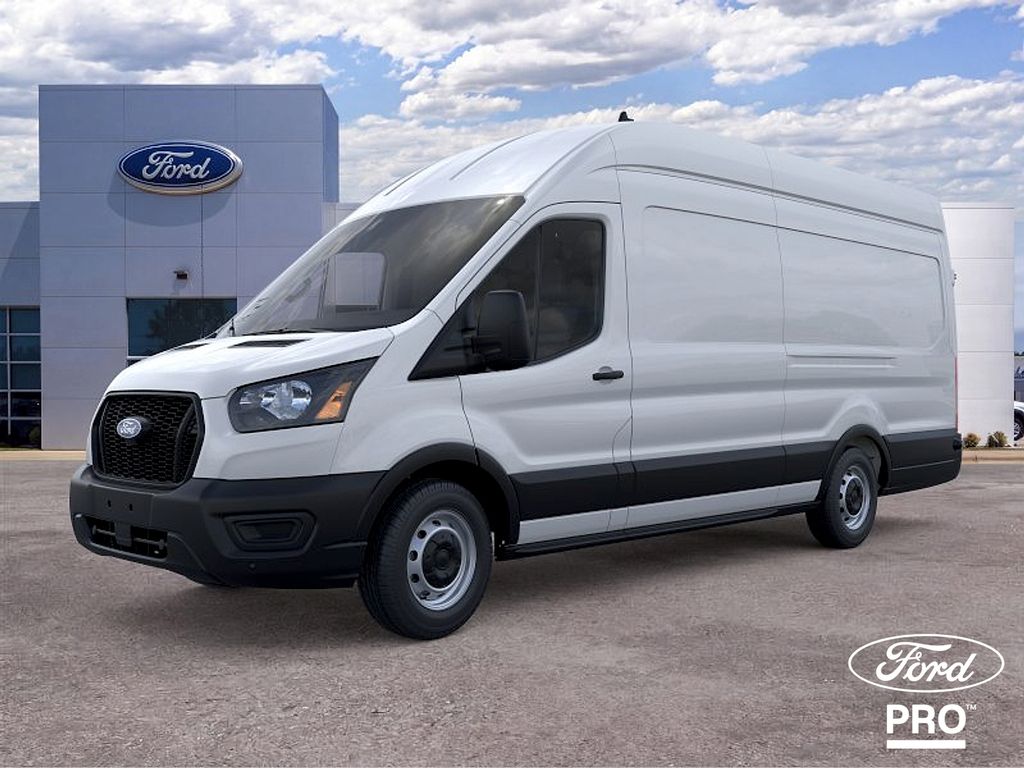
It depends on what you carry and where you park, since taller and longer vans trade access for capacity. Some parking structures and residential garages rule out the taller options entirely. Describe a typical jobsite and we can narrow it down.
Can a small business finance a work van?
Yes, and it is routine rather than unusual. Lenders work with small operations regularly, though the documentation they want differs from a personal purchase. Ask LaFayette Ford early and we will tell you what to gather.
How quickly can I get a Transit if my current van has failed?
That depends on what is in stock at the time, which is why calling first matters. We keep working vans available specifically because trades cannot wait. Tell us it is urgent and we will show you what can move quickly.
Have Additional Questions?
Van questions from small operators are welcome, including the ones you think you should already know the answer to.
Describe the work and the parts you carry, and our commercial team can recommend a configuration that fits.
LaFayette Ford supports trades across Fayetteville who run one or two vans rather than a large fleet.
Shelving Decisions Made Before Delivery, Not After
The single biggest difference between a van that works and one that frustrates you is how the inside is organized. Shelving, drawers and racking determine whether you find a part in ten seconds or ten minutes. Multiply that across a working day and it becomes real money.
Deciding this before the van arrives is far better than improvising afterward. Layout affects what you can carry, how you load it and where weight sits. Trades that plan it properly rarely change the arrangement again.
- Interior layout planned around your actual parts list
- Weight positioned deliberately rather than by accident
- Racking mounted to the van's designed points
Mounting to the manufacturer's designated points rather than improvising holes protects the vehicle and anything covered under warranty. Our commercial team can point you toward upfitters who work this way. It is a detail worth caring about.
Tell us what you carry and we can talk sensibly about layout before you buy. That conversation is more useful than a walk around the exterior. LaFayette Ford deals with Fayetteville trades often enough to know the difference.
Tools Locked Out of Sight Is Part of the Job
A cargo van full of tools is a target, and anyone who has been broken into once takes this seriously forever. Solid sides without windows are the first line of defense, because what nobody sees rarely gets tried. That is one reason cargo configurations remain the default for trades.
Beyond the body, locking and alarm arrangements are worth thinking about deliberately. Interior lockboxes for the most expensive items, and a habit of not leaving anything visible in the cab. Simple discipline prevents most of what happens.
- Solid body panels rather than glass on the sides
- Lockable storage for high value tools
- Access arrangements suited to how you load
Door configuration matters here too, since side and rear access patterns change how exposed the load is when you are working. Think about where you park on a typical job. The arrangement that suits a driveway is not the one that suits a busy street.
Nobody replaces a van full of tools cheaply. Spending a little thought on this before purchase is worth it. Our team will raise it even if you do not.
Transit 250s on the Ground Right Now
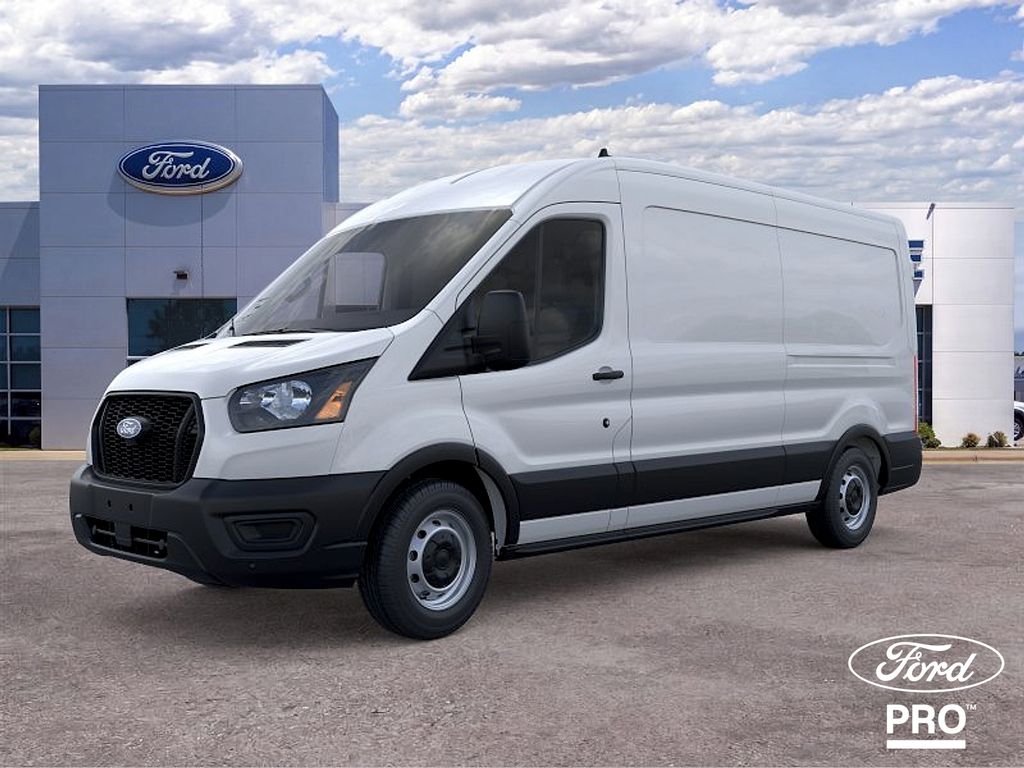
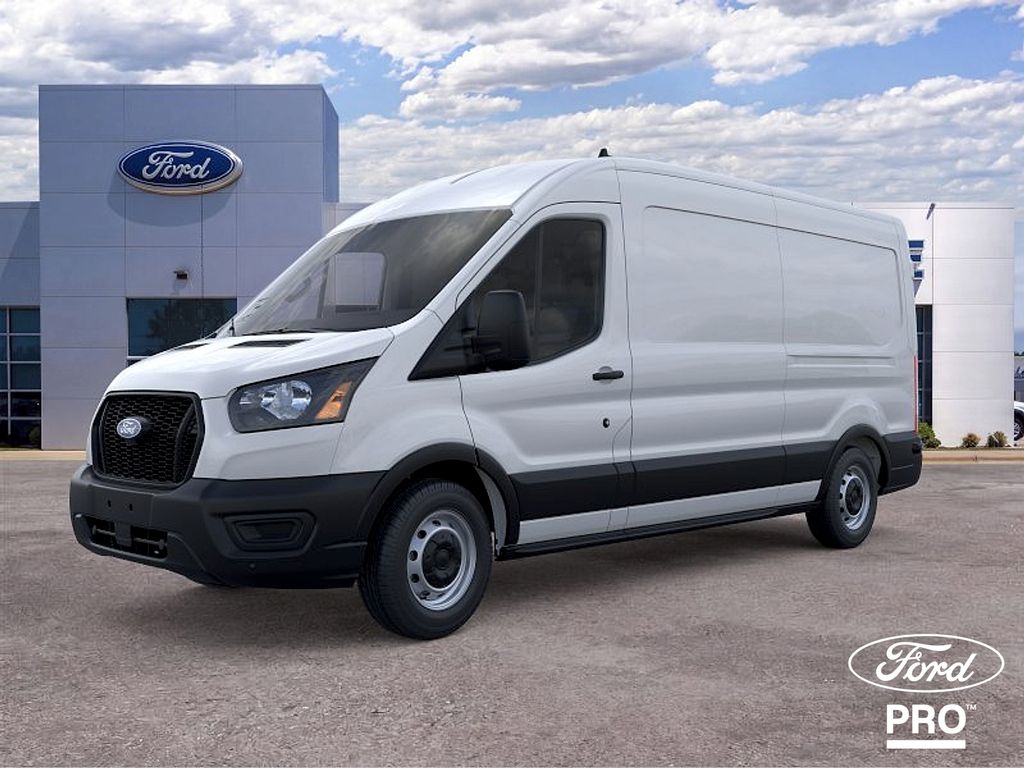
Commercial vans do not sit in the same volume as retail vehicles, and configurations vary a good deal. Body length, roof height and door arrangement all change what a given van suits. Checking what is actually here before driving over saves a wasted afternoon.
We keep working stock available for buyers who need a van soon, because a trade with a broken vehicle cannot wait months. When your requirement is unusual, ordering is straightforward and the timing is predictable enough to plan around. Most operators are choosing between those two routes rather than agonizing over configurations.
- Body and roof combinations available right now
- Door arrangements that differ between units
- Ordering when your requirement is specific
If your current van has failed and you need something immediately, say so at the start. That changes which vehicles we show you and how we approach the paperwork. Urgency is a normal situation in this part of the business.
Ask about current stock before making the drive. It takes one message and it saves you an hour. LaFayette Ford can check a specific configuration in about two minutes.
Service Trades Working Across Fayetteville
The Transit 250 suits the businesses that make up most of the local trade economy. Plumbing, HVAC, appliance repair, installation work and mobile services of every kind. Those operators need a van that carries a working inventory and parks in an ordinary residential driveway.
Fayetteville has grown steadily and the residential work has grown with it, which keeps these vans busy. Most of the operators we sell to run one or two vehicles rather than a fleet. That shapes what matters to them, and it is usually reliability and running cost rather than badge appeal.
- A footprint that fits residential driveways
- Capacity suited to a working parts inventory
- Running costs that matter to a one van operation
The lighter Transit is the right pick when your loads are bulky rather than heavy. Tools, parts and equipment fill the space long before weight becomes the constraint. If your loads are genuinely heavy, we will point you toward the heavier van instead.
Matching the van to the actual work is the whole exercise. Oversized costs you money every week, undersized costs you jobs. Describe the work and we will aim at the middle.
Buying a Van Without a Fleet Manager's Help
Large fleets have people whose job is specifying vehicles. A two person plumbing business does not, and that is who buys most of the vans we sell. The process should account for that rather than assume expertise you have no reason to have.
So we ask about the work rather than asking which configuration you want. What you carry, where you park, how many stops a day, whether anyone rides along. From those answers the specification becomes fairly obvious.
- Specification worked out from your job, not a catalog
- Business purchase questions answered plainly
- Financing paths suited to a small operation
Business financing questions get straight answers here, including what documentation lenders typically want from a small operation. It is less complicated than most people expect. Ask early and it stops being a source of anxiety.
You should not need to become a fleet specialist to buy one van. That is what our commercial team is for. Bring the questions and LaFayette Ford will work through them with you.
Your parts list and your parking situation tell us most of what we need to know. The right configuration falls out of that conversation quickly. Get in touch and we will find out what is available for you.