New Ford F-750SD For Sale in Fayetteville, NC
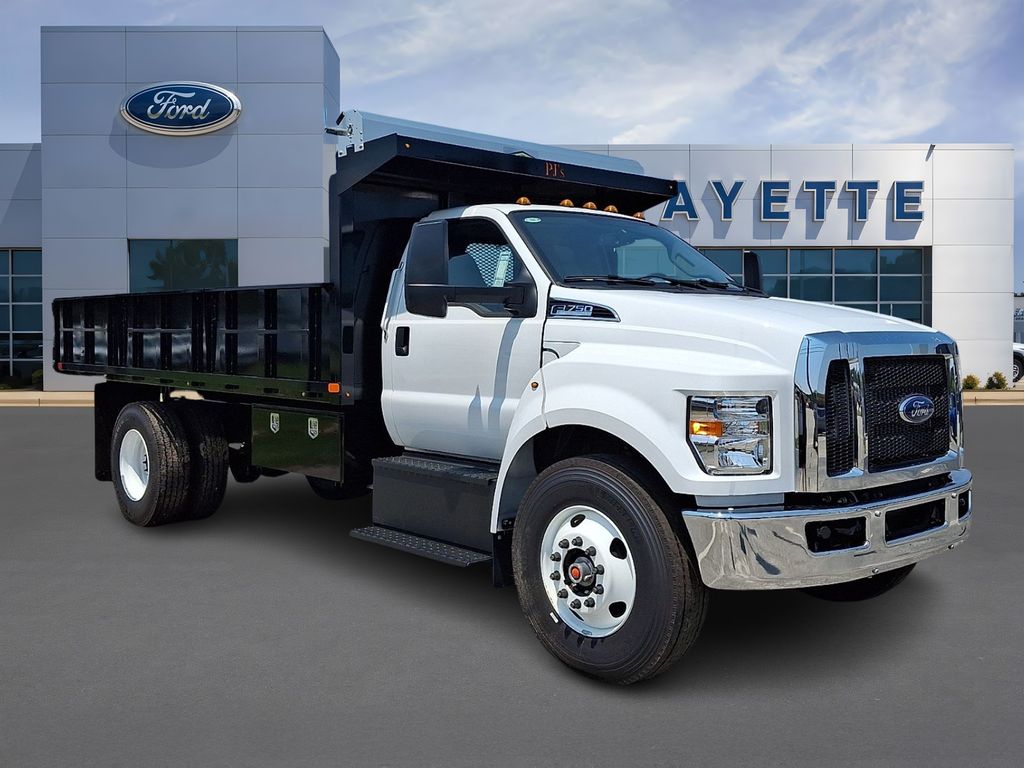

Frequently Asked Questions About New Ford F-750SD in Fayetteville, NC
Do I need a commercial driver's license to drive an F-750?
It depends on the truck's weight rating and how it will be used. Confirm the requirement with the licensing authority for your exact configuration before ordering. Your drivers' current license classes are part of that conversation.
How is the F-750 different from the F-550?
The F-750 is a medium duty truck built for heavier vocational work, while the F-550 is a Super Duty chassis cab suited to lighter commercial bodies. The right choice depends on your loads and equipment. Many fleets run both, each matched to different jobs.
Which vocational jobs is the F-750 usually built for?
Common builds cover dump work, stake bed hauling, roll-off routes, bucket truck tree work, water hauling and box delivery. The body builder designs the finished truck around your work. Many fleets also add specialized lighting and controls.
Can LaFayette Ford work with public agencies and fleet buyers?
Yes, we are glad to discuss fleet and government purchasing. Contact us early so documentation and timelines can match your procedures. Formal bids and purchase orders are part of that discussion.
What should we prepare before meeting about an F-750?
Bring a description of the loads, the routes, the equipment involved and who will drive. Photos of your current truck and its body help too.
Have Additional Questions?
Medium duty purchases involve many details, and a direct conversation keeps them organized.
Share the loads, the routes and the equipment with LaFayette Ford, and the next steps can be outlined together.
Purchasing officers and fleet managers can request the details their approval process needs.
Work That Calls for a Medium Duty Truck
Some jobs in Fayetteville are simply bigger than a pickup-based chassis should handle. Hauling heavy material all day, running a roll-off route or carrying a bucket boom for tree work calls for a true medium duty truck. The Ford F-750 fills that role for businesses and public agencies across the area. It sits a clear step above the Super Duty chassis cabs in size and purpose.
Buying at this level is a different process from buying a pickup. The truck is part of a larger system that includes the body, the equipment and the people who will drive and maintain it. LaFayette Ford approaches an F-750 purchase as a planning project, starting with the work the truck has to do. Getting everyone involved early saves time later.
- Contractors moving heavy loads of stone, soil or debris every day often find a medium duty dump truck finishes the work in fewer trips than a lighter chassis could manage.
- Tree service companies rely on bucket and chipper trucks that need a sturdy medium duty platform to carry the boom, the operator and the equipment safely between jobs.
- Beverage distributors and delivery fleets use medium duty box trucks to move large volumes on regular routes, where a smaller truck would mean extra runs and extra drivers.
The right truck comes from understanding the job in detail. How heavy are the loads, how far do they travel, and what equipment is involved? Those answers guide the entire build. A rough route map is useful too.
Share the details of the work with us early. LaFayette Ford will help turn them into a clear plan for the truck. A careful start prevents expensive changes later.
Licensing, Weight Classes and Compliance
Medium duty trucks bring regulatory questions that pickup buyers rarely face. Drivers may need a commercial driver's license for some builds, and the truck may need additional registration or inspection steps. Those requirements are tied to weight ratings and use. Those rules are set by federal and state authorities, not by the dealership.
These details should be settled before the truck is ordered, not after. A truck that requires a license your drivers do not hold creates an immediate problem. Talking through the plan with your team, your insurer and the licensing authorities avoids that situation. Rules can differ for agencies, private fleets and owner operators.
- Commercial license requirements follow the finished truck's rating and its use, so confirm them for your drivers before committing to a specific configuration and a delivery date.
- Commercial registration, federal and state safety rules and inspection requirements can apply to medium duty trucks, and fleet managers should review them early in the planning stage.
- Insurance for a medium duty truck often differs from coverage on lighter vehicles, so share the planned build with your agent well before the truck arrives.
We will not guess at weight ratings or other specifications for your truck. Those details are confirmed through the dealership and the body builder for the exact configuration. Your team can then check the licensing and compliance steps that apply. Your insurer will want the same details.
Compliance questions are part of planning a medium duty truck. LaFayette Ford can point you to reliable sources and help gather the information you need. Ask about this early in the process.
Vocational Bodies Built on the F-750
The F-750 serves as a base for a wide range of vocational bodies. Dump bodies, stake beds, roll-off hoists, bucket trucks, water trucks and box bodies are all common. Each one turns the chassis into a specialized tool for a particular kind of work. Some fleets run several body types on the same chassis model.
The body builder shapes the upfit around the chassis and the job. They will ask detailed questions about loads, equipment and operating conditions. The more precise your answers, the better the result will fit your work.
- Stake bed bodies with removable side panels suit landscaping suppliers and nurseries that load pallets and plants from the side with a forklift throughout the day.
- Roll-off hoists let waste and demolition companies drop and collect containers at job sites, which makes a single truck serve many customers across a route.
- Water trucks and sprayer bodies support road construction, dust control and agricultural work, where a steady supply on site keeps the rest of the crew productive.
Vocational trucks often carry expensive equipment, so the body and chassis choices deserve careful thought. We can coordinate with the body builder you prefer or help you find one. The goal is a finished truck ready for work on delivery. Many vocational bodies are built by regional specialists who know the local work.
A vocational truck is only as useful as its body. LaFayette Ford will help coordinate the chassis and the body so they work together. Tell us what kind of work the truck will do.
Deciding the Build Sheet With Your Body Builder
Ordering an F-750 involves more decisions than ordering a pickup. The chassis equipment has to match the planned body and the way the truck will be used. Getting that alignment right before the order is placed is the single most important step in the process. A missing option at the factory can mean weeks of rework later.
The body builder should review the chassis order before it is submitted. That way any required equipment is included from the factory instead of being added later. It also helps avoid delays once the chassis reaches the builder. Changes after production begins are difficult and costly.
- Adding required equipment at the factory usually costs less and holds up better than fitting it afterward, which is why the build sheet deserves a slow, careful read.
- Planning the order around the full build, including lighting, controls and power take-off needs, keeps the chassis and body compatible from the very first day of the build.
- Clear communication among the buyer, the dealership and the body builder reduces surprises and keeps the project moving steadily through each stage toward delivery.
Medium duty projects take coordination and time. We will keep you informed as the order moves forward, so your own planning stays on track. Questions about specific configurations go to our team and the body builder, who can confirm them for your truck.
A well planned build sheet makes the rest of the project easier. LaFayette Ford will help keep everyone aligned from order to delivery. Ask us how the process works.
Public Works and Private Fleets Across Cumberland County
Municipal crews, utility contractors and private fleets all put medium duty trucks to work across Cumberland County. Street maintenance, sanitation, landscaping and delivery routes reach from Bonnie Doone out past the county line toward Parkton. Those trucks keep essential services running every day. Many of those routes run through neighborhoods where space is tight.
Public agencies and larger fleets often follow specific purchasing procedures. Our team can sit down with the people responsible for those purchasing decisions. Understanding the procedure early helps the process go smoothly.
- Public works departments running street and sanitation routes need medium duty trucks that start every morning and stay dependable through long shifts across the county.
- Private fleets serving neighborhoods such as Bonnie Doone and communities out toward Parkton benefit from maintenance planning that keeps their trucks on the road during busy seasons.
- Agencies purchasing through formal procedures should involve the dealership early, so documentation and timelines line up with their approval, bidding and budgeting cycles each year.
Medium duty trucks need maintenance planned around their demanding schedules. Talk with our service team about how that work is scheduled and what can be handled here. Planning ahead reduces downtime when the truck is busiest. Plan preventive work around the seasons when the truck is least needed.
Years of hard work ahead call for a careful plan now. LaFayette Ford can help you build it. Contact us to discuss your medium duty needs.
The Ford F-750 can anchor the hardest working part of your fleet. LaFayette Ford will support the truck from the first planning meeting through years of service.