New Ford Transit 350 for Sale in Fayetteville, NC
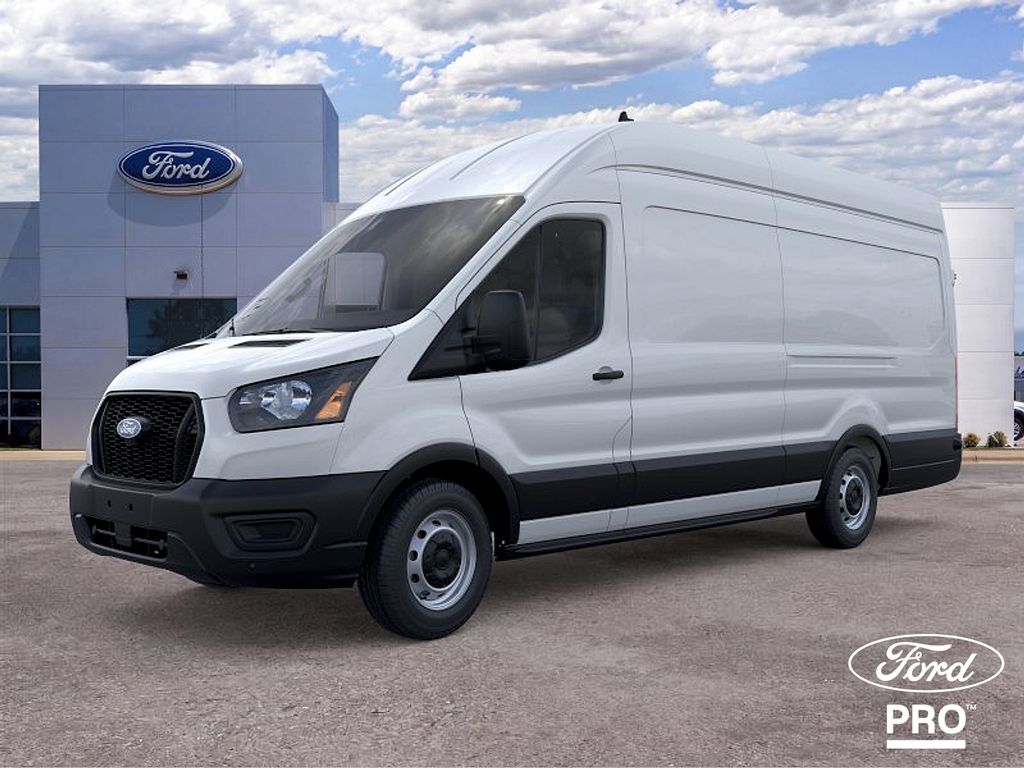



Frequently Asked Questions about New Ford Transit 350 Fayetteville, NC
How is the Transit 350 different from the Transit 250?
The 350 sits in a higher weight class and is rated to carry more. Businesses hauling dense or heavy material generally need it, while trades carrying bulky but light loads are usually fine with the 250. Describe what you load and we will tell you which fits.
Can a Transit 350 carry a crew as well as cargo?
Yes, crew configurations combine seating with a cargo area behind. Getting the split right depends on how many people travel together and how much equipment goes along. It is worth deciding carefully because changing it later is awkward.
What documentation do I need to finance a van through my business?
Lenders typically want business formation records, financial information and details about how the vehicle will be used. The exact list varies by lender and by how your business is structured. Ask LaFayette Ford early and we will send what is needed before you apply.
How do I know if I am overloading my current van?
Compare what you carry against the rating on the vehicle itself rather than estimating. Signs like poor handling, rapid tire wear or a sagging rear suggest you are pushing it. If you are regularly close to the limit, stepping up a class is worth considering.
Do you keep Transit 350 vans in stock?
We keep the configurations local businesses buy most often, though the range of possible combinations means not everything is on the ground. Message us with your requirements for an honest answer on availability. Ordering is straightforward when nothing here matches.
Have Additional Questions?
Capacity means very little until it is measured against what you actually load.
Tell us your typical load and crew size and we can point you at the right configuration quickly.
LaFayette Ford supplies work vans to businesses across Fayetteville and can advise from what has worked for others.
What Is Here, and Why Configurations Differ So Much
Transit 350s come in enough combinations that two of them can suit completely different businesses. Body length, roof height, seating arrangements and door layouts all vary, and each choice changes what the van is good for. There is no single configuration that works for everyone.
Our stock reflects what local businesses around Fayetteville actually buy, which skews toward certain combinations. That means some configurations are usually available and others are typically an order. Asking first tells you which category yours falls into.
- Body lengths that change what fits inside
- Seating arrangements from cargo through crew
- Door layouts suited to different loading habits
Send us what you need and you will hear frankly whether it exists here rather than an invitation to come look. If the configuration is not on the ground, we will say so and talk about ordering. Wasting your trip helps nobody.
Specifics get specific answers here. Tell us the length, roof and seating you want and we can check it in minutes. LaFayette Ford would rather have that exchange by message than have you drive across town.
Businesses That Outgrew the Lighter Van
A lot of Transit 350 buyers are replacing a smaller van that stopped coping. The loads got heavier, the crew got bigger, or the business started carrying material rather than just tools. When a van is working near its limits every day, moving up is usually overdue by the time it happens.
The heavier Transit exists for that situation. It is rated to carry more, which changes what you can load without thinking carefully about it every morning. Owners describe the relief as no longer doing arithmetic before every job.
- Capacity margin that removes daily guesswork
- A step up without changing vehicle type entirely
- Crew seating where the team travels together
If you are unsure which side of the line you sit on, describe what you load and how often. Businesses that are genuinely fine with the lighter van will hear exactly that from us. Selling you more van than you need is not a good long term relationship.
Moving up a class is a real cost, so it deserves to be a real decision. We will help you work out whether it is warranted. Plenty of businesses discover they were fine where they already were.
Paying for a Van That Earns Every Day
A work van is equipment, and financing it should reflect that rather than mirroring a family car purchase. Business lending structures exist for exactly this and often suit an operator better. Which one fits depends on how your business is organized.
Documentation requirements differ from a personal purchase, though they are more straightforward than most people expect. Knowing the list in advance means nothing stalls at the last minute. We will send it before you apply rather than after.
- Business lending compared against retail terms
- A documentation list sent before you apply
- Terms weighed against how long you keep vehicles
How long you typically keep a vehicle should shape the term you choose. An operator who replaces vans every four years wants a different arrangement than one who runs them into the ground. Say which you are and the advice improves.
The financing should suit how your business actually runs. That takes a conversation rather than a form. LaFayette Ford is happy to have it before you commit to anything.
Weight Is the Constraint That Sneaks Up on You
Most people size a van by how much space they need and discover weight limits later. Space fills up first with bulky items, but dense material reaches a weight limit long before the van looks full. That is the situation the Transit 350 addresses.
Businesses hauling building supplies, appliances, fluids or anything dense run into this constantly. A van loaded beyond its rating handles worse, wears faster and creates liability nobody wants. Having margin means the question stops arising.
- Higher rating for dense and heavy material
- Load capacity that suits building supply work
- Margin that keeps you well inside the limits
We will not quote capacity figures here because they depend on how each van is configured. The rating on the specific vehicle is the number that governs, and we will show it to you. Working from real figures rather than approximations is the only sensible approach.
If you have ever wondered whether a load was too much, that is the sign. Margin is worth paying for on a working vehicle. It costs less than the alternative.
Deliveries and Crews Moving Around Fayetteville
The heavier Transit turns up locally in a few recognizable roles. Supply deliveries to jobsites, appliance and furniture work, catering operations, and crew transport for contractors who move several people to a site each morning. Each puts different demands on the same vehicle.
Crew configurations matter to businesses carrying a team plus their equipment. Getting the seating and cargo split right decides whether the morning takes one run or two. That is worth taking seriously before purchase rather than after.
- Crew and cargo split worked out in advance
- Delivery work where load height matters
- Configurations local contractors choose most
Growth around Fayetteville has kept this kind of work steady, and we see the same requirements repeatedly. That means we can tell you what similar operations chose and how it worked out. Local pattern knowledge is genuinely useful on a purchase like this.
Describe the job and we will match the van to it. That is a shorter process than browsing configurations. Our commercial team at LaFayette Ford does this constantly.
Businesses tend to outgrow a van quietly, usually a season after it actually happened. Tell us what you load and who rides along and we will be honest about which class you need. Get in touch and we will work it out.